
Live Seville
Shopping in Seville: crafts, design and shops with character
Beyond the usual chains, Seville keeps its crafts alive — ceramics, fans, embroidery — alongside an independent design scene worth an unhurried stroll.
For shopping with character in Seville, look for ceramics in Triana, fans, shawls and embroidery in the traditional shops of the centre, and independent design and handmade jewellery between the Setas, Calle Regina and the Alameda. Calle Sierpes and Calle Tetuán concentrate classic shops and the big brands.
What to buy in Seville
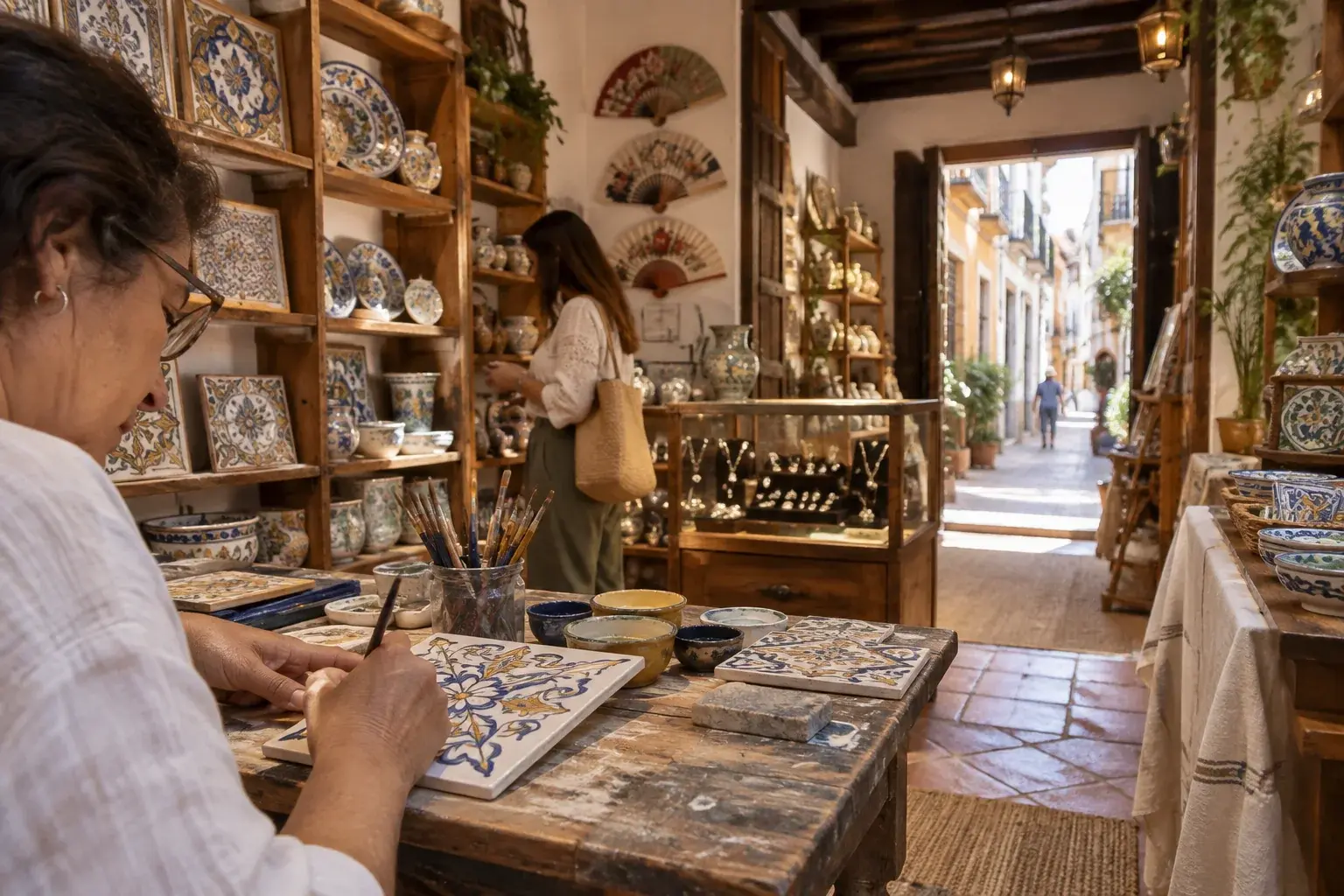
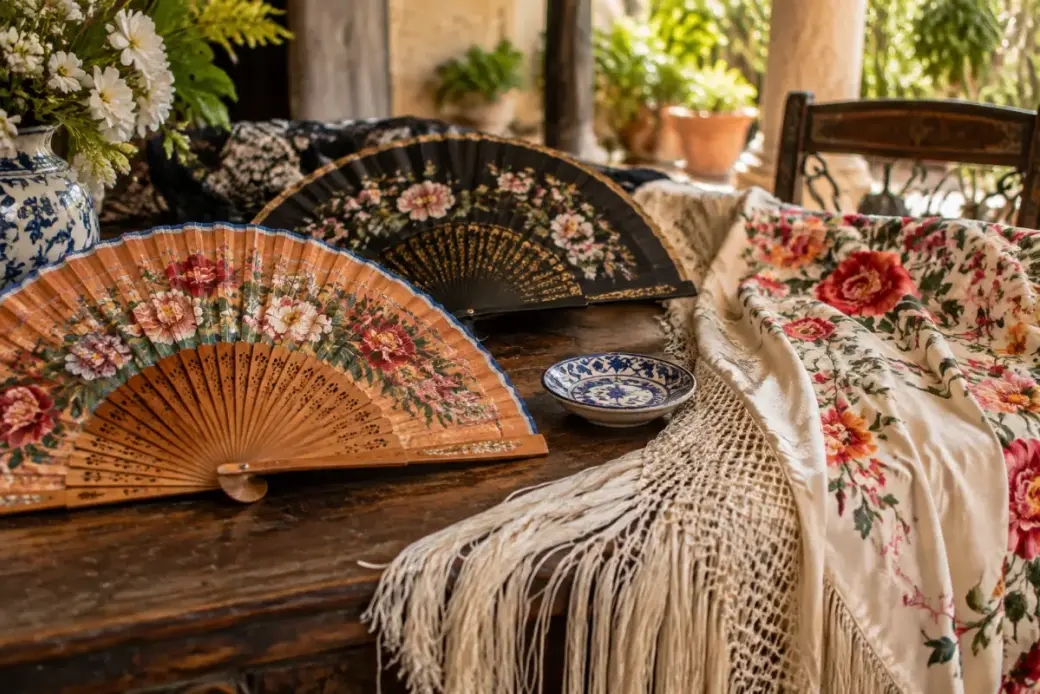
The best souvenirs of Seville come from its crafts. Ceramics come first: tiles, plates and hand-painted pieces in the tradition of Triana’s potters. Then come painted fans, the embroidered silk shawls worn at the April Fair, and the gold embroidery of the workshops that work for the Holy Week brotherhoods.
There is also flamenco fashion, with shops and workshops making flamenca dresses and accessories, and food that travels well: olive oil, olives, local wines and convent sweets. And, increasingly, pieces by young designers and artisans who reinterpret these traditions in a contemporary language.
Where to shop: areas with personality
| Area | What you will find |
|---|---|
| Sierpes and Tetuán | The classic shopping streets of the centre: shoe shops, hatters and long-established stores alongside the big brands. |
| Triana: Alfarería and Antillano Campos | Ceramics workshops and shops in the old potters’ quarter. |
| Setas, Regina and Alameda | Independent design, handmade jewellery, local fashion and bookshops. Our guide to alternative Seville has more. |
| Alfalfa and Calle Cuna | Small shops and the tradition of flamenco fashion. |
| Around the Cathedral and Santa Cruz | Souvenirs, fans and ceramics: there are good pieces, but compare before buying. |
Triana ceramics
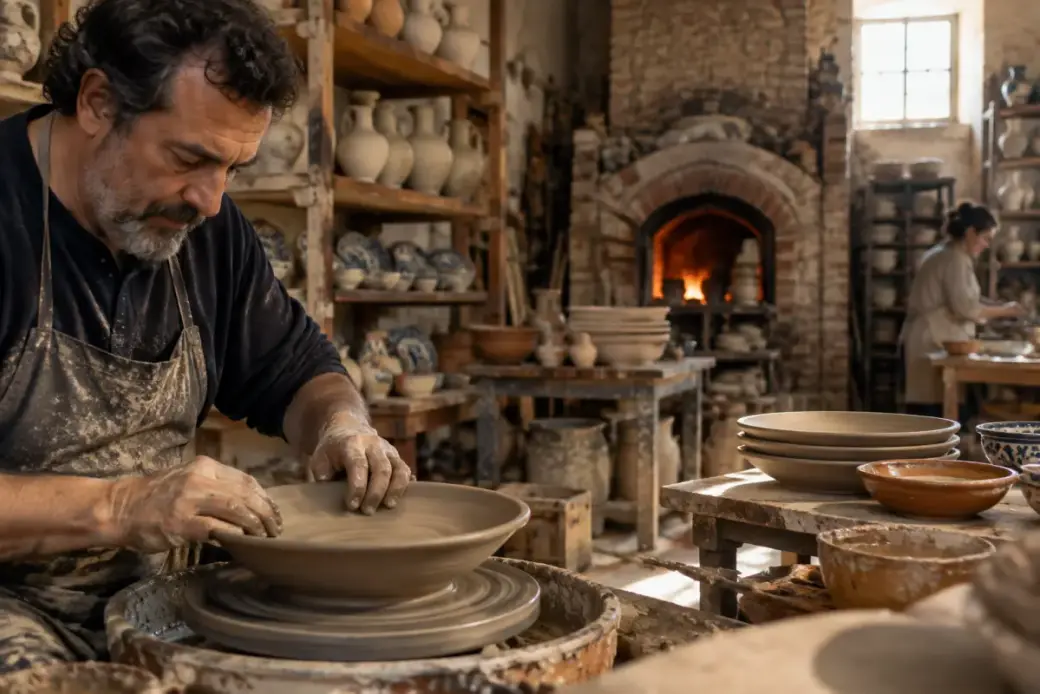
For centuries Triana’s kilns supplied tiles to palaces, churches and homes across the city, and much of the ceramic work you see at Plaza de España came from its workshops. Before buying, it is worth visiting the interpretation centre in the old Santa Ana factory: it explains the craft and helps you look with fresh eyes.
To tell a handmade piece from an industrial one, look for small irregularities in the brushwork, the weight and the workshop’s signature or stamp. Souvenir shops stock both, and it is not always stated. Asking where a piece was made is the best clue.
Galleries, museums and art
If art is your thing, the Museum of Fine Arts, housed in a former convent, brings together the great Sevillian painting of the Golden Age, with Murillo, Zurbarán and Valdés Leal. The Andalusian Centre of Contemporary Art, in the Cartuja monastery, shows the contemporary side, and small galleries in the centre and around the Alameda exhibit local artists.
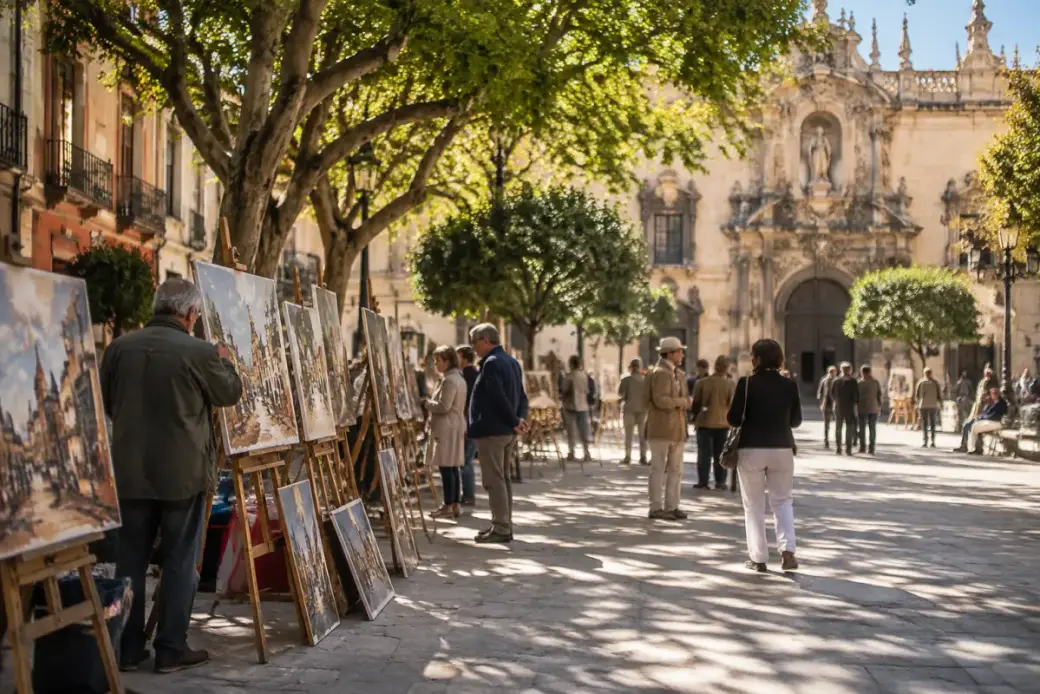
On Sunday mornings, in Plaza del Museo, painters and amateurs exhibit and sell their work in the open air: a good chance to take home an original souvenir.
Markets and flea markets
- El JuevesAntiques, second-hand objects and curiosities every Thursday morning on Calle Feria, on the way to La Macarena.
- Plaza del CabildoOn Sunday mornings, collectors of stamps, coins and postcards gather next to the Cathedral.
- Food marketsTriana, Feria or Encarnación: local produce and good ideas for taking home oil, olives or spices.
Shopping tips
- Split opening hoursSmall shops usually close at midday and reopen in the afternoon; large stores stay open throughout.
- SundaysMost small shops are closed, except in the most touristy areas.
- Large piecesAsk whether they can ship it: many ceramics workshops do.
- VAT refundIf you live outside the European Union, ask about tax refunds in shops that offer them.
Keep reading
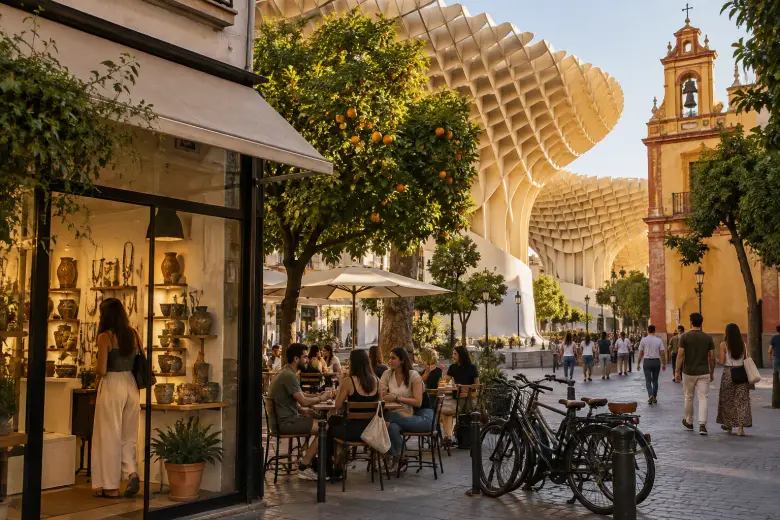 Live SevilleAlternative Seville: Setas and AlamedaSetas, Soho and Alameda: design, cafés and local life in contemporary Seville.Read the guide
  Neighbourhoods · TrianaTrianaCeramics, the river and a distinct identity across the bridge.Read the guide
 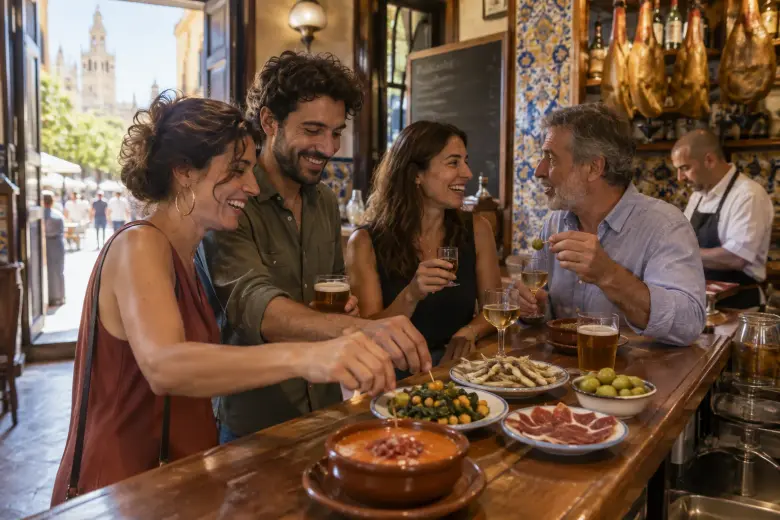 Eat SevilleTapas and food in SevilleTapas culture, typical dishes and how to order at the bar.Read the guide
Frequently asked questions
What is a typical souvenir from Seville?
Triana ceramics, a hand-painted fan, a shawl, olive oil or convent sweets. They are all linked to the city’s crafts and traditions.
Where can I buy ceramics in Seville?
In Triana, in the workshops and shops around Calle Alfarería and Calle Antillano Campos. Right there, the ceramics interpretation centre explains the history of the craft.
Do shops open at midday?
Large stores and many in the centre do. Small shops usually close at midday and reopen in the afternoon.
Are shops open on Sundays?
Few are, except in the most touristy areas and on certain Sundays. The Cabildo and Plaza del Museo markets are a good alternative.
You may also like
- Live SevilleAlternative Seville: Setas and AlamedaSetas, Soho and Alameda: design, cafés and local life in contemporary Seville.Read the guide
- Neighbourhoods · TrianaTrianaCeramics, the river and a distinct identity across the bridge.Read the guide
- Eat SevilleTapas and food in SevilleTapas culture, typical dishes and how to order at the bar.Read the guide
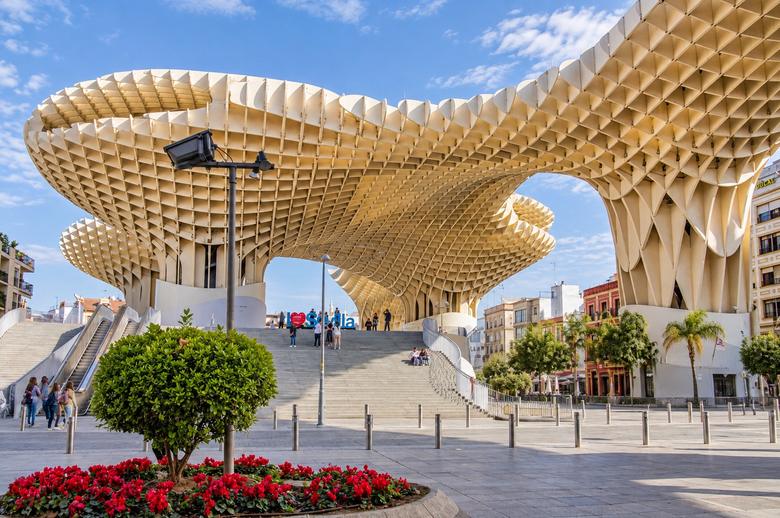 Neighbourhoods · La MacarenaLa MacarenaWalls, basilica and markets: everyday Seville.Read the guide
Shall we talk about your visit?
Tell María when you are coming, how many of you there are and what interests you. She will reply with a clear proposal.
Ask María about a tour