
Monuments · Archive of the Indies
Archive of the Indies: what it is and why it is in Seville
A building raised for merchants that became the written memory of three centuries of ties between Spain and the Americas.
The General Archive of the Indies holds the records of the Spanish administration in the Americas and the Philippines. It is in Seville because for centuries the city was the port and administrative centre of trade with the Indies. It occupies the former 16th-century Casa Lonja, and admission is free.
A building designed for trade
Compared with the Gothic exuberance of the Cathedral, the Casa Lonja is strikingly sober: cubic volumes, stone and brick, balustrades and pinnacles with hardly any ornament. It is the same severe classical language Juan de Herrera used at El Escorial.
That restraint made sense: it was a working building, designed for contracts, valuations and signatures. Walking its galleries with this in mind helps you picture the comings and goings of the merchants who sustained the city’s economy.
Why it matters
Much of what we know about the Spanish presence in the Americas comes from the documents kept here: maps, letters, lawsuits, passenger lists and royal accounts. Researchers from all over the world still consult them.
For travellers, the Archive also has a very Sevillian value: it completes the triangle with the Cathedral and the Alcázar. If the Cathedral speaks of religious power and the Alcázar of royal power, the old exchange speaks of trade, the engine that made Seville one of the richest cities in Europe in the 16th century.
Why it is in Seville
After 1503, Seville held the monopoly on trade with the Americas through the House of Trade (Casa de la Contratación). Merchants, bankers and navigators did business in the city for generations, literally on the steps of the Cathedral, which the chapter eventually found unacceptable.
The solution was to build an exchange: a building for trade beside the Cathedral. Centuries later, once trade had moved to Cádiz, that building became the place to gather the scattered documents about the Indies.
Essential history in five milestones
| Date | Milestone |
|---|---|
| 1503 | The House of Trade is founded in Seville. |
| 1584–1598 | The Casa Lonja is built to designs by Juan de Herrera. |
| 1717 | The House of Trade moves to Cádiz. |
| 1785 | Charles III creates the General Archive of the Indies in the former exchange. |
| 1987 | UNESCO lists it as World Heritage with the Cathedral and the Alcázar. |
What you can see
- The buildingA restrained Renaissance courtyard and the marble staircase leading upstairs.
- The galleriesLong rooms lined with fine wooden shelving that convey the scale of the archive.
- ExhibitionsThere are often temporary displays of original documents. Check the programme on the official website before you go.
How to plan your visit
- How long30 to 45 minutes.
- AdmissionFree. Opening times and conditions on the official General Archive of the Indies website.
- Best timeIt fits well between the Alcázar and the Cathedral, or when the heat is at its worst.
What to see nearby
It stands between the Cathedral and the Real Alcázar. To follow the thread of the Seville of the Indies, walk down to El Arenal, the old port district.
Want to connect the Archive with the Cathedral and Alcázar?
The three buildings tell the city’s story together. See the Alcázar, Cathedral and Santa Cruz tour.
Frequently asked questions
Is the Archive of the Indies free?
Yes, admission is free. Check opening times on the official website.
Can you see original documents?
Temporary exhibitions display original documents. Research access follows its own procedure.
Who designed the building?
The plans are by Juan de Herrera, architect of El Escorial.
Why is it called Casa Lonja?
Because it was built as a lonja, an exchange building for merchants’ transactions.
You may also like
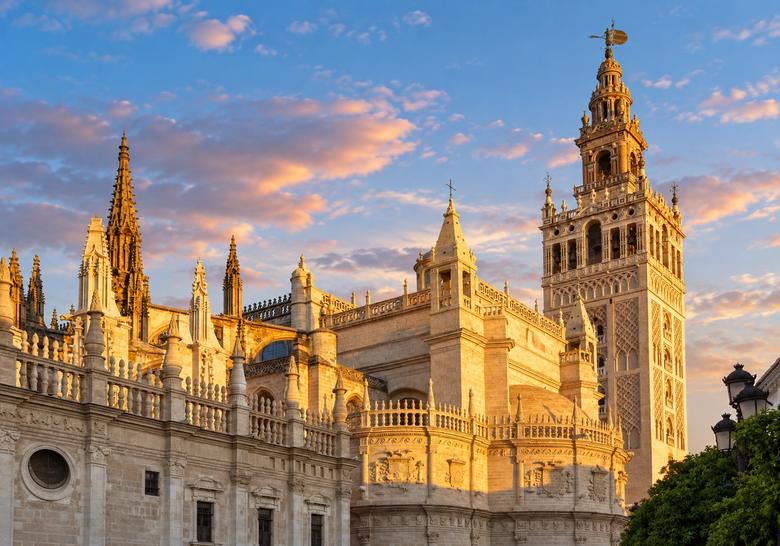 Monuments · CathedralCathedral and GiraldaScale, functions and symbols of the great cathedral.Read the guide
 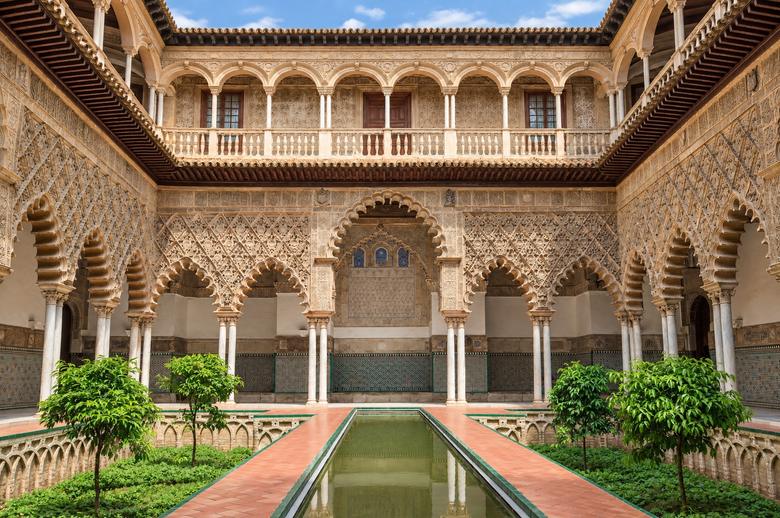 Monuments · Real AlcázarReal AlcázarLearning to read the layers of a thousand-year-old palace.Read the guide
 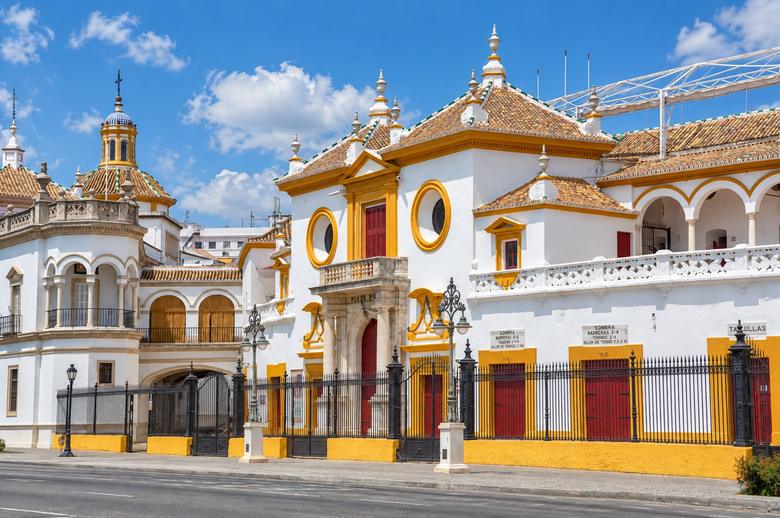 Neighbourhoods · El ArenalEl ArenalThe old port of the Indies, the Maestranza and the Caridad.Read the guide
 - Private tour · Monumental SevilleAlcázar, Cathedral and Santa CruzPalaces, cathedral and the old Jewish quarter, told as a single story.See the tour
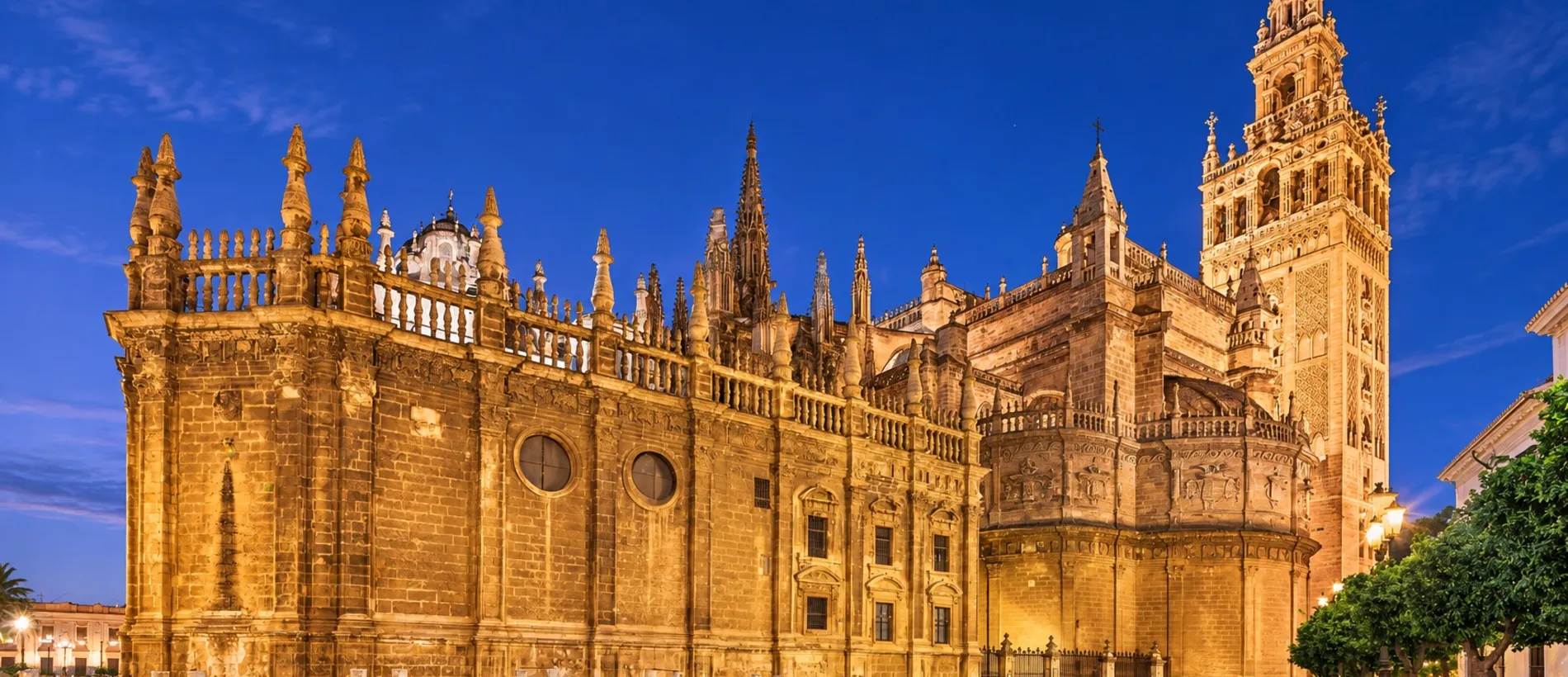
Shall we talk about your visit?
Tell María when you are coming, how many of you there are and what interests you. She will reply with a clear proposal.
Ask about the monuments tour