
Monuments · Real Alcázar
Real Alcázar of Seville: what to see and how to plan your visit
A palace built and rebuilt over more than a thousand years. The key is not to cover every room but to learn to read its layers.
The Real Alcázar is a palace complex built over an Andalusí fortress and transformed by the Christian kings, above all Pedro I, who began his great Mudéjar palace in 1364. It has been a World Heritage Site since 1987. Allow about two hours and book your ticket in advance.
Why it matters
The Alcázar is the best place in Seville to grasp an idea that runs through the whole city: continuity. There was no clean break here between the Andalusí and Castilian worlds. The Christian kings did not demolish the palaces they found; they lived in them, enlarged them and, in Pedro I’s case, commissioned a new one in the artistic language of their Nasrid rivals.
That is why the Alcázar looks like no Gothic palace in northern Europe and is not simply a copy of the Alhambra. It is something else: Mudéjar art at its peak, made by and for a Christian king. Understanding it changes how you see the Cathedral, Santa Cruz or any Mudéjar church in the city afterwards.
What is worth looking at
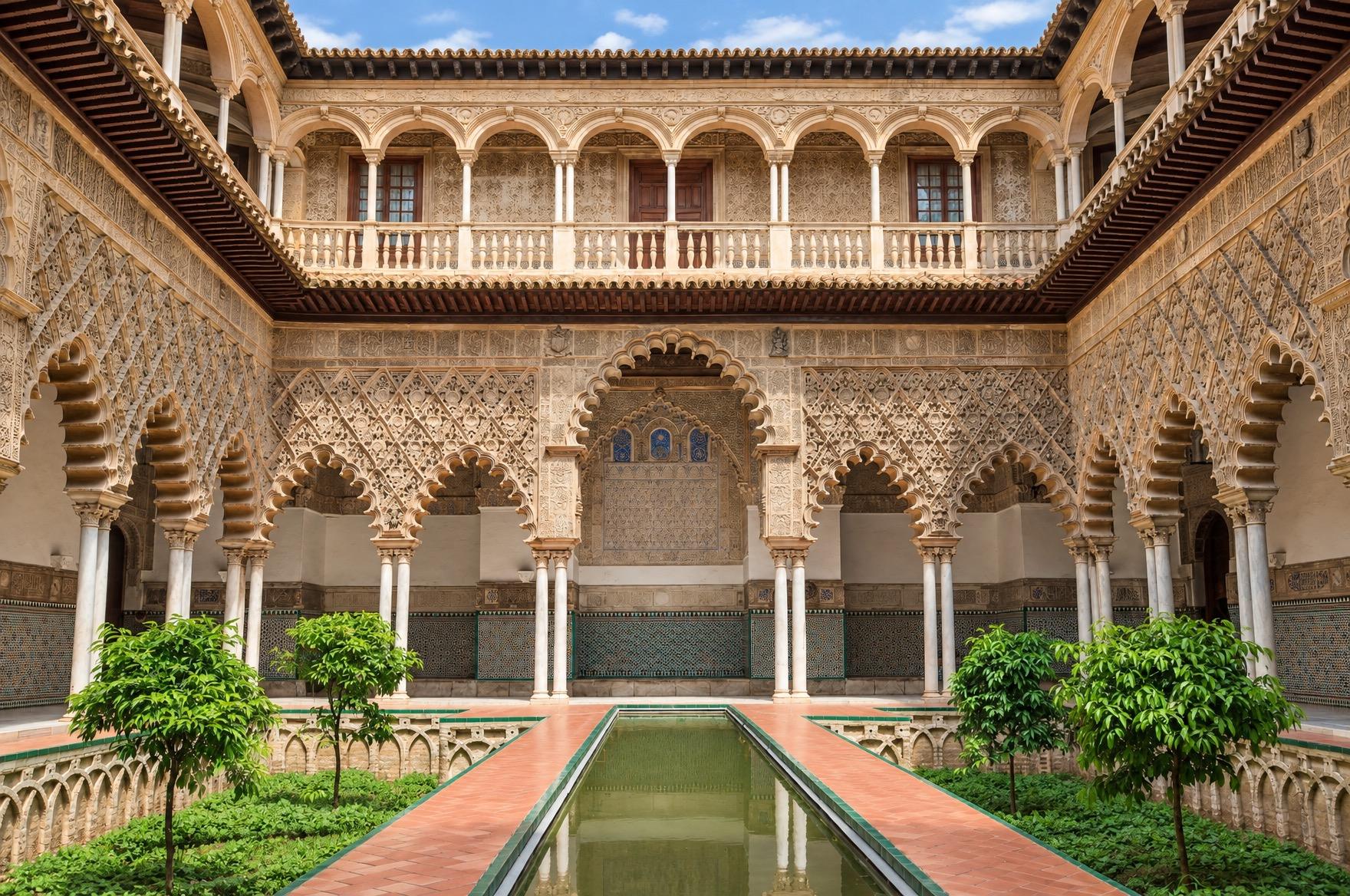
The Courtyard of the Maidens
The heart of Pedro I’s palace: lobed arches, carved plasterwork and a pool flanked by sunken gardens. Notice how the decoration changes between the Mudéjar ground floor and the Renaissance upper gallery.
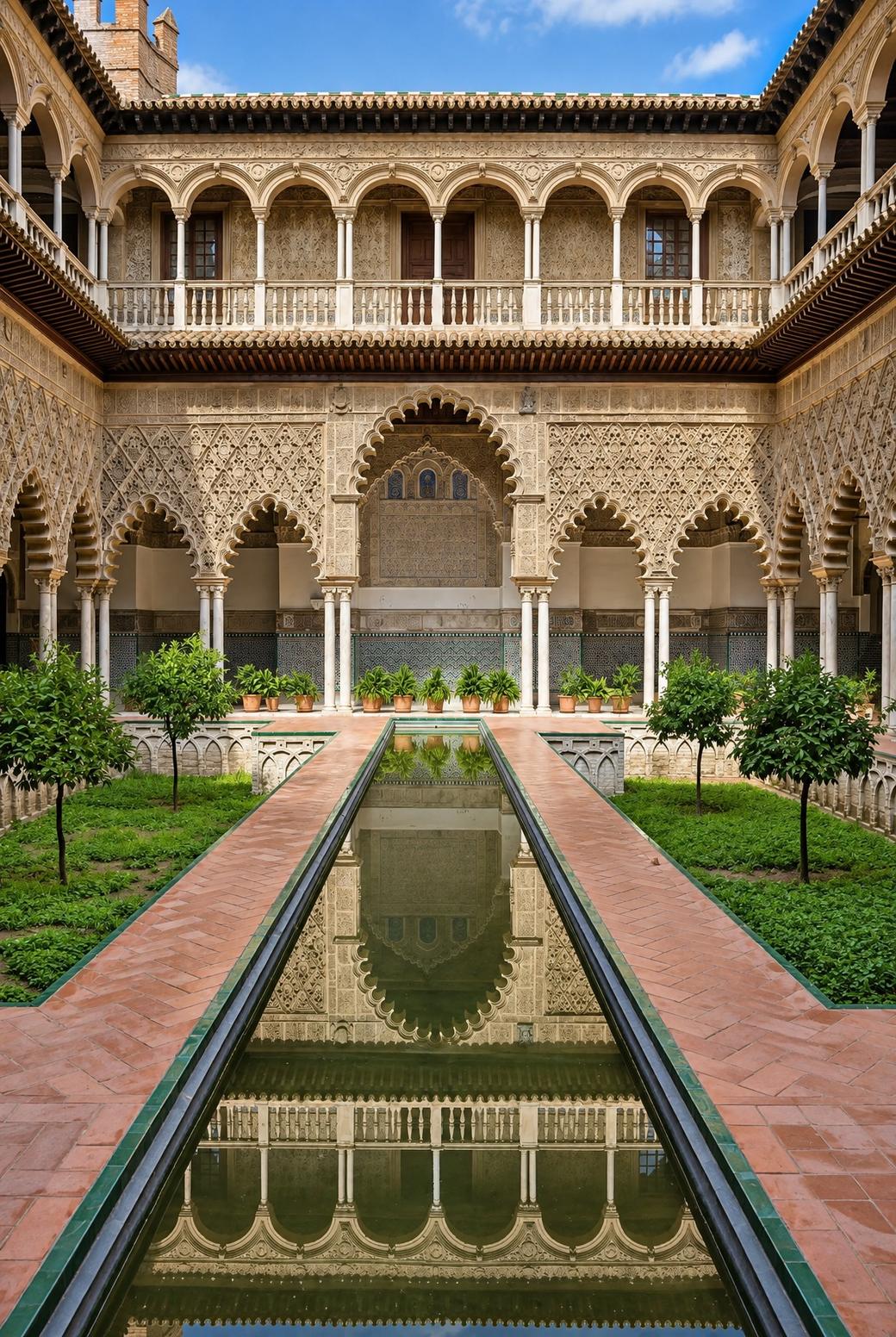
The façade of Pedro I’s palace
Look for the two inscriptions: one in Gothic letters proclaiming the king, another in Arabic with a Nasrid motto. Together they sum up, on a single wall, the blend of languages that defines the Alcázar.
The Hall of the Ambassadors
The palace’s richest room, crowned by a gilded wooden dome. It was the space for displaying power.
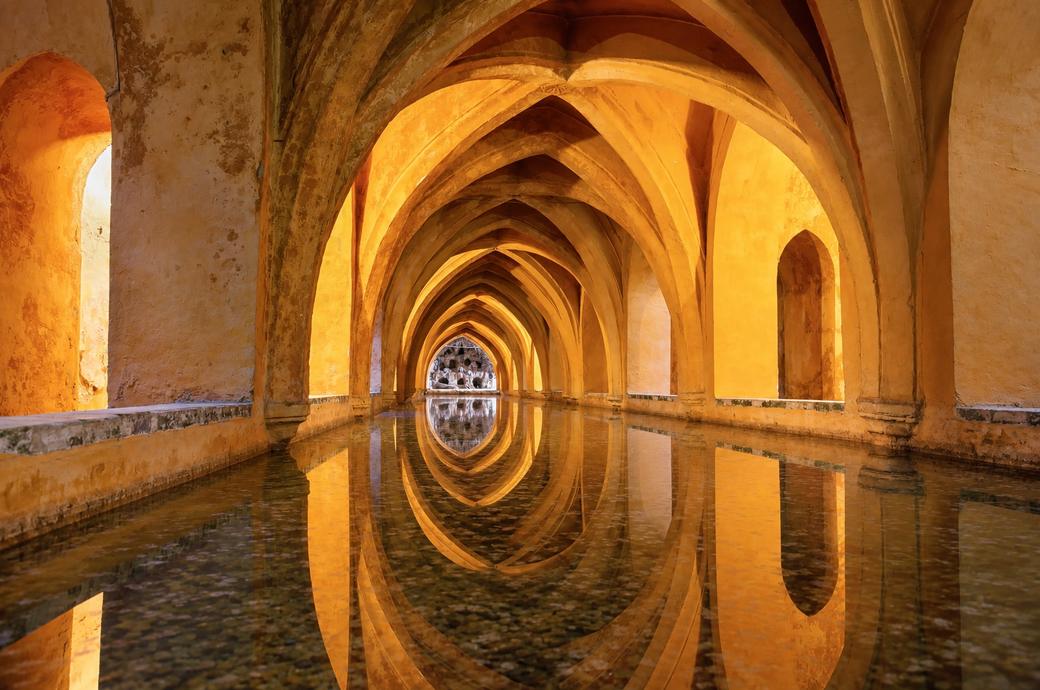
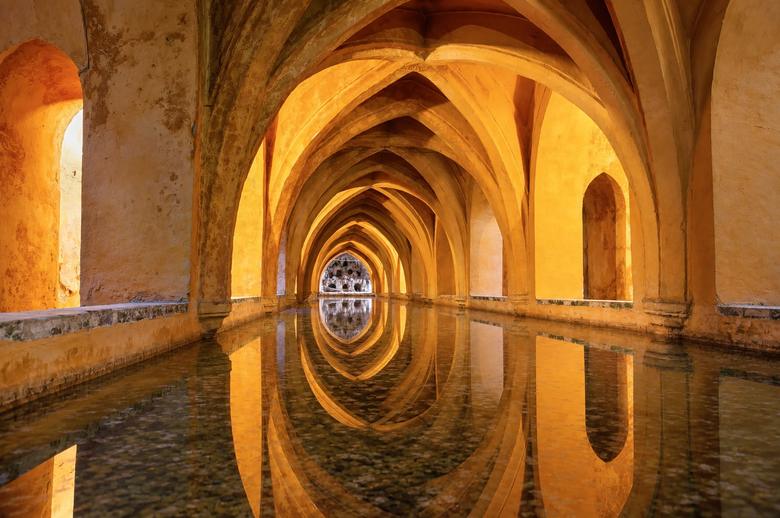
The Baths of Doña María de Padilla
Cisterns beneath the Patio del Crucero named after the king’s mistress. Their atmosphere has made them one of the most photographed corners.
The gardens
Different eras and styles, from the Islamic cross-shaped garden to Renaissance and Romantic gardens. Give them at least half an hour.
Essential history in seven milestones
| Date | Milestone |
|---|---|
| 913–914 | Abd al-Rahman III orders a fortress for the governor of Isbiliya. |
| 11th century | The Abbadid kings, including Al-Mutamid, expand it into a palace. |
| 12th century | The Almohads transform the complex; the Patio del Yeso survives from this period. |
| 1248 | Fernando III conquers Seville and the Alcázar becomes a residence of the Castilian kings. |
| 1364 | Pedro I begins his Mudéjar palace with craftsmen from Toledo and Granada. |
| 1526 | Charles V marries Isabella of Portugal here. |
| 1987 | UNESCO lists it as World Heritage together with the Cathedral and the Archive of the Indies. |
How to plan your visit
- How longAbout two hours for the palaces and gardens without rushing; three if you like to linger.
- Best timeFor photos and calm, the first morning slot. In summer, avoid the gardens in the middle of the day.
- TicketsSold by time slot on the official Real Alcázar website, which also lists current opening times, prices and conditions.
- AccessibilityCheck the accessible routes on the official website: some areas have steps and uneven paving.
What to see nearby
When you leave you are at the heart of the city: the Cathedral and Giralda are opposite, the Archive of the Indies next door and the Santa Cruz quarter runs along the Alcázar wall.
Want to understand the Alcázar with a guide?
The private Alcázar, Cathedral and Santa Cruz tour connects the palace with the rest of the city.
Frequently asked questions
How long do you need to see the Real Alcázar?
About two hours for the palaces and gardens at a relaxed pace.
Do I need to book?
It is highly advisable, especially in high season. Tickets are sold by time slot on the official website.
Is it true the royal family still uses it?
Yes: the upper floors are still an official residence of the Royal Household when it visits Seville.
What is the most important part of the Alcázar?
Pedro I’s palace, with the Courtyard of the Maidens and the Hall of the Ambassadors, and the gardens.
You may also like
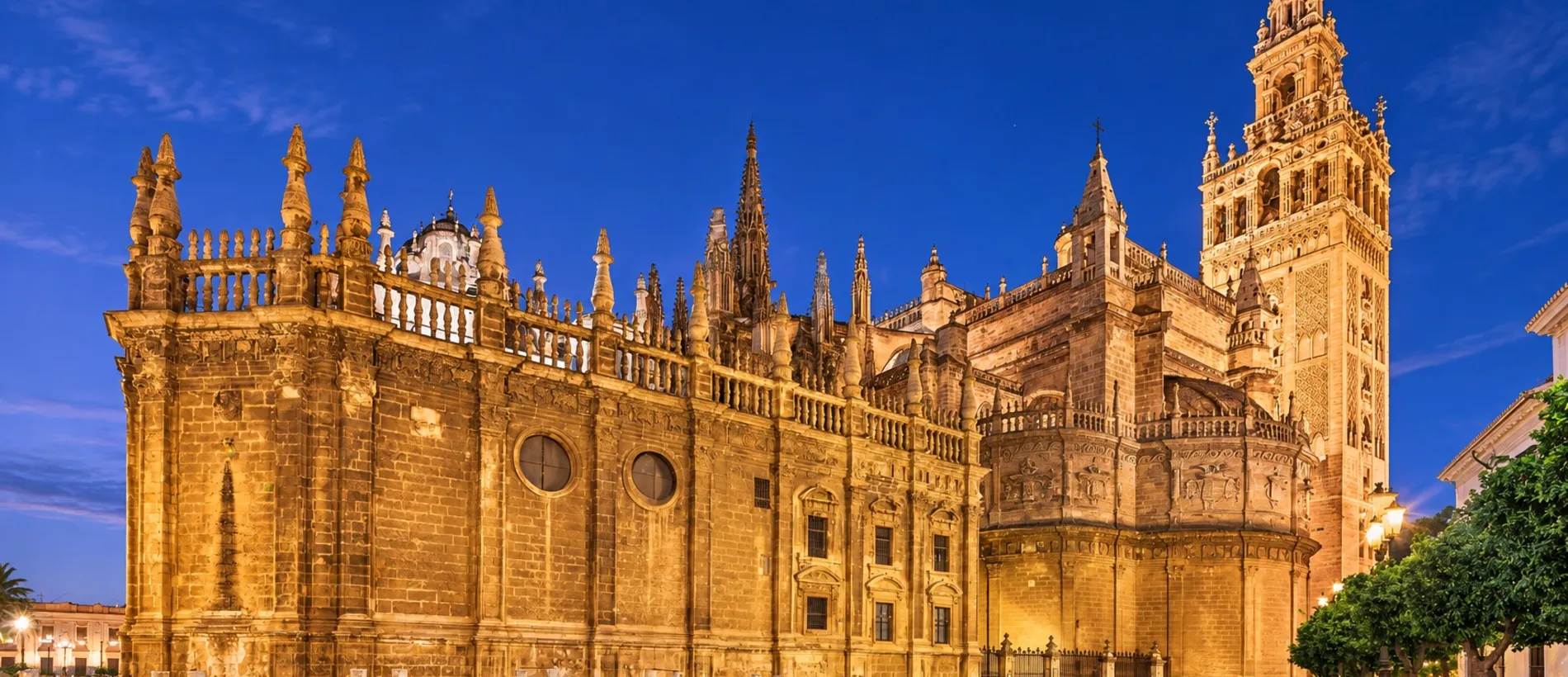
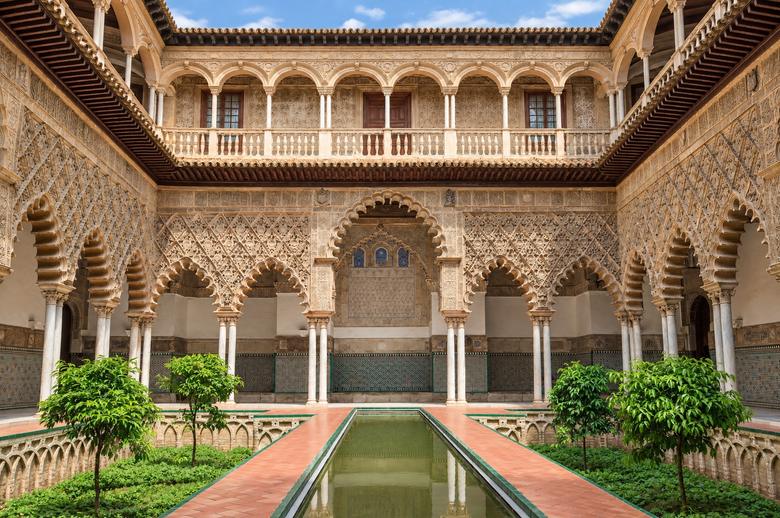 Private tour · Monumental SevilleAlcázar, Cathedral and Santa CruzPalaces, cathedral and the old Jewish quarter, told as a single story.See the tour
 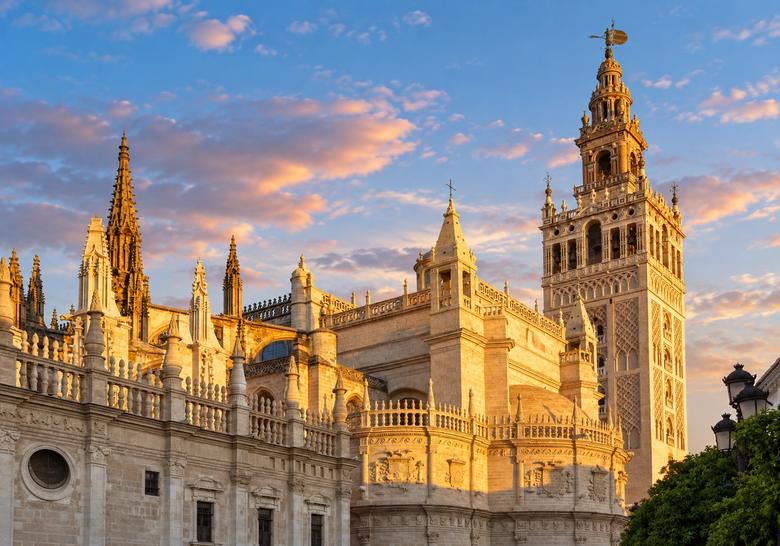 Monuments · CathedralCathedral and GiraldaScale, functions and symbols of the great cathedral.Read the guide
 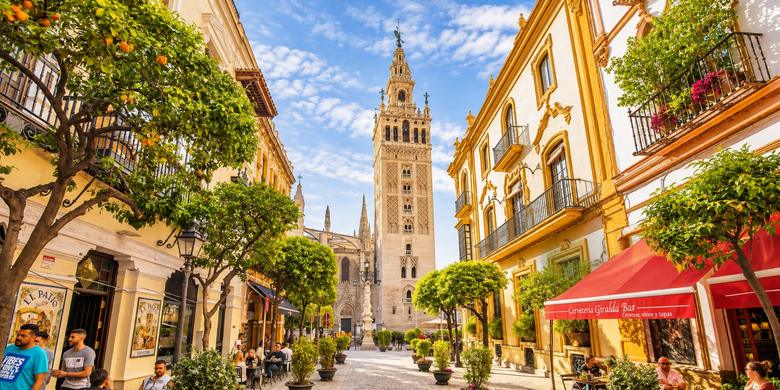 Neighbourhoods · Santa CruzSanta CruzA walking route through the old Jewish quarter and its squares.Read the guide
  Private tour · StoriesStories and legendsKings, lovers and betrayals: the Seville that is told.See the tour
Shall we talk about your visit?
Tell María when you are coming, how many of you there are and what interests you. She will reply with a clear proposal.
Ask about the monuments tour