
Monuments · Itálica
Itálica from Seville: what to see in the Roman city
The first Roman city in Hispania, birthplace of emperors, a few kilometres from central Seville.
Itálica was founded in 206 BC and is considered the first Roman city in Hispania. It lies in Santiponce, about 9 km from Seville. The highlights are the amphitheatre, the streets of Hadrian’s new city and its mosaics. Allow half a day.
Getting there from Seville
Itálica is in Santiponce, about 9 km north-west of the centre. Intercity buses leave from the Plaza de Armas station; check current timetables with the Seville metropolitan transport consortium before setting off. By taxi or car, the journey takes around twenty minutes.
Pair it with an early start: arriving at opening time lets you explore the site while it is still cool and be back in Seville in good time for a relaxed lunch.
Why it matters
Itálica is the Roman beginning of Seville’s story. While Hispalis, today’s Seville, grew by the river, Itálica became a prestigious city thanks to its most illustrious sons: two emperors who ruled Rome in one of its most splendid periods.
Unlike Hispalis, whose remains lie buried beneath the modern city, Itálica was largely left free of later building. That is why you can walk Roman streets here, step into an amphitheatre and see mosaics in their original place, something only possible in central Seville in spaces like the Antiquarium beneath the Setas.
For anyone spending three or more days in Seville, it is the best way to complete the city’s story from its very start.
What to see
The amphitheatre
One of the largest in the Roman Empire. Walking its corridors and looking down onto the arena gives a sense of what the city was in Hadrian’s time.
Hadrian’s city
Wide streets, a regular grid and the remains of large houses. This is the part the emperor promoted to honour his family’s city.
The mosaics
Several houses keep their mosaic floors, such as the birds or Neptune mosaics, which show how well their owners lived.
Essential history in five milestones
| Date | Milestone |
|---|---|
| 206 BC | Scipio settles wounded soldiers here after the battle of Ilipa. |
| AD 53 | Trajan is born in Itálica, the first emperor born outside the Italian peninsula. |
| 2nd century | Hadrian, from an Italican family, enlarges the city with the nova urbs. |
| Late Antiquity | The city declines and life shifts to Hispalis, today’s Seville. |
| Today | An archaeological site managed by the Andalusian regional government. |
How to plan your visit
- How longHalf a day including travel; about two hours on site.
- Best timeFirst thing: there is very little shade and summer heat is intense.
- Tickets and opening timesUp-to-date information on the official Itálica Archaeological Site website. Large groups must book in advance.
- What to bringWater, a hat and comfortable shoes: the ground is uneven.
What to see nearby
Santiponce is also home to the monastery of San Isidoro del Campo. Back in Seville, many of the mosaics in the Palace of the Countess of Lebrija come from Itálica. For more outings, see our day trips from Seville.
Have a third day?
Itálica fits perfectly into our three-day itinerary.
Frequently asked questions
How far is Itálica from Seville?
About 9 km, in the town of Santiponce.
How long do you need to see Itálica?
About two hours on site; half a day including travel.
Which emperors were born in Itálica?
Trajan was born in Itálica. Hadrian’s family also came from the city.
Do I need to book?
Individual visitors do not need to book; large groups do. Check current conditions on the official website.
You may also like
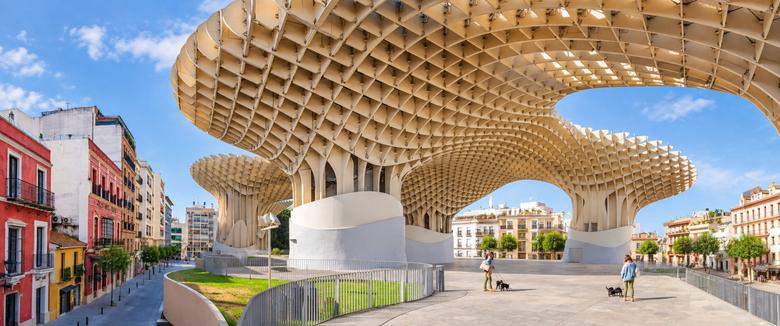 Guide · 3-day itineraryWhat to see in Seville in 3 daysThree days by area: monuments, the river and a more local Seville.Read the guide
 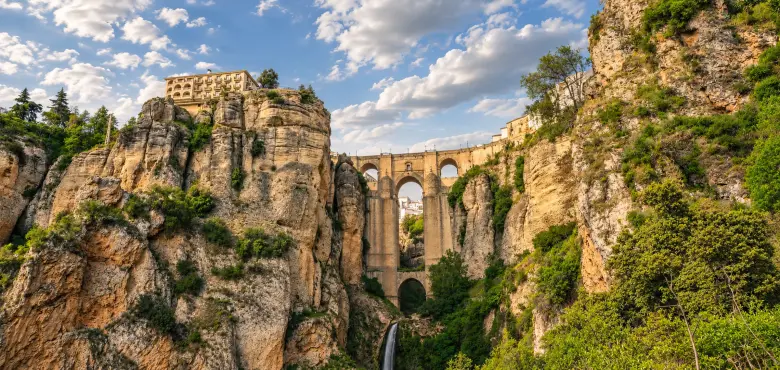 A day beyond the cityDay trips from SevilleRonda, the white villages, Córdoba and Cádiz on private outings.View page
 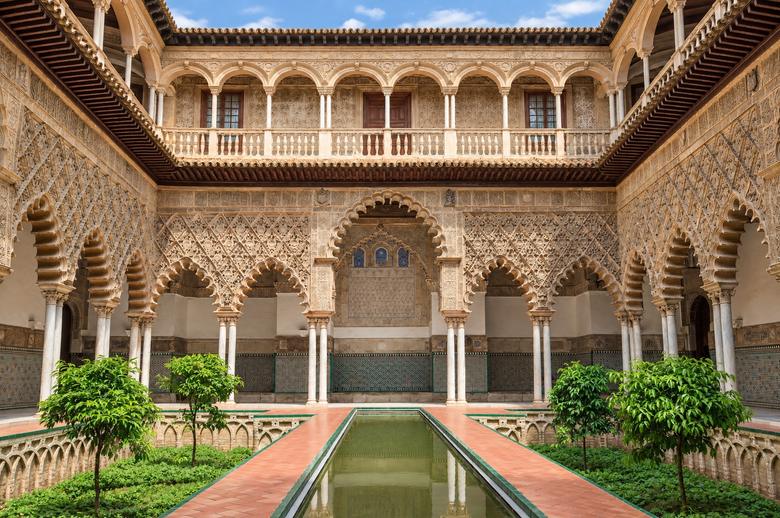 Monuments · Real AlcázarReal AlcázarLearning to read the layers of a thousand-year-old palace.Read the guide
 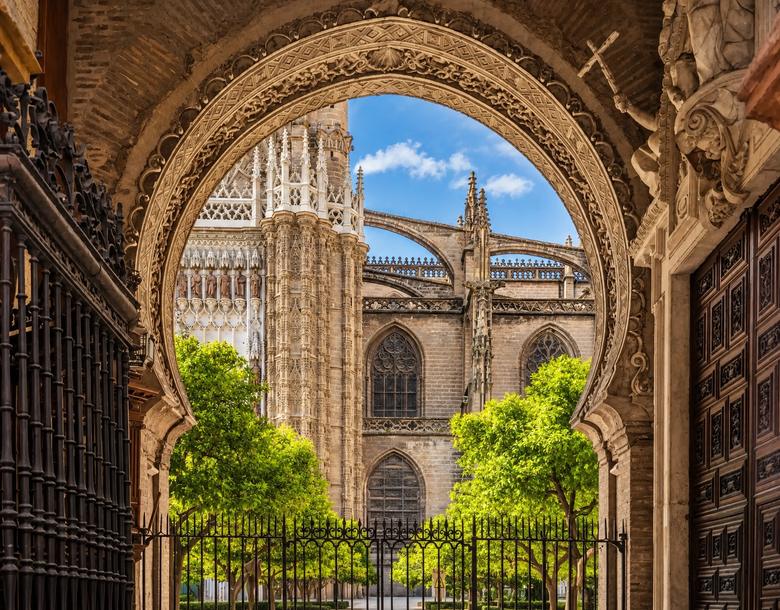 Seville guide · MonumentsMonumentsWhat each monument is, how long it takes and how to combine it.Read the guide
Shall we talk about your visit?
Tell María when you are coming, how many of you there are and what interests you. She will reply with a clear proposal.
Ask about a private tour